
What people don’t know about British survivors of trafficking
When people picture a survivor of human trafficking, they often imagine someone who has travelled a long distance. Someone brought to the UK from abroad, against their will.
This reality is devastating, but it is not the whole picture.
British women and girls are trafficked too. They are exploited in their own country and even their own city, or some British survivors we know were also trafficked to other countries, and more often than not by people they have known for years. Devastatingly, and oftentimes members of their own family have been involved in the process of their exploitation. British survivors are far less likely to be recognised, believed, or given the support they need.
The data
In 2025, the Home Office recorded 23,411 referrals to the National Referral Mechanism, the highest number since records began. Of those, 22 per cent were British nationals. That is more than 5,000 people. More than any other single nationality.
And the number of UK national referrals is still rising. It increased by 15 per cent compared to 2024.
In 2025, women referred to the NRM were most often referred for sexual exploitation. Twenty-eight per cent of all female referrals were for sexual exploitation. For girls, that figure was even higher.
“I think society needs to shift their mindset when it comes to the issue of trafficking and sexual exploitation. We need to make room for a variety of narratives and become comfortable with the discomfort and closeness of the issue. It is important not to make assumptions about anything or anyone.”
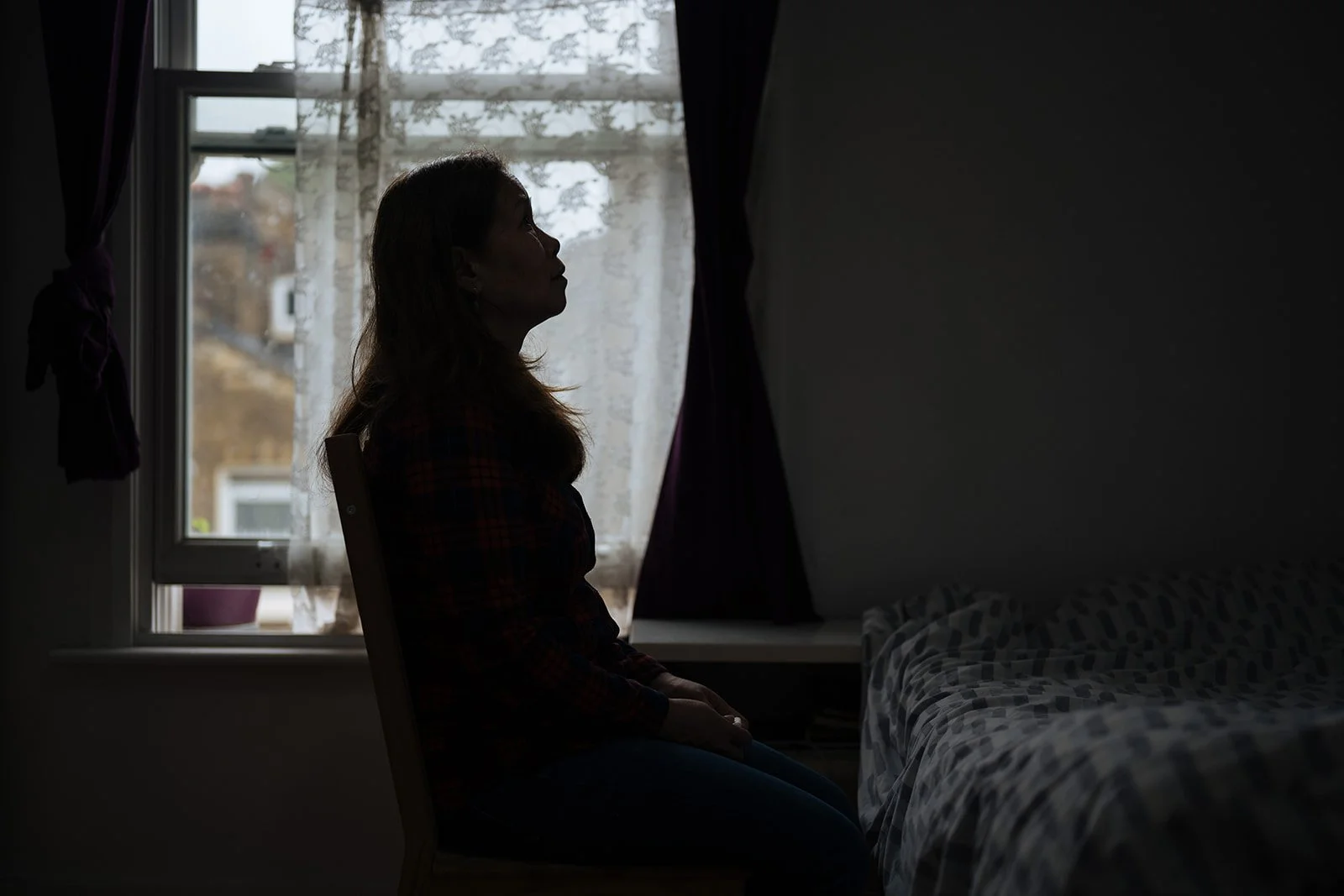
Why the system often fails British survivors
The National Referral Mechanism was introduced to identify victims and connect them with support. It is an important system. But for many British women, it does not work well.
Part of the problem is assumption. British nationals are sometimes seen as harder to help because they are presumed to have access to family, community, and public services that can keep them safe.
But for many British survivors, none of those options are safe or available. Families may be the source of abuse. Police may not be trusted. The support systems that are supposed to help may not understand what grooming and sexual exploitation actually look like.
They may feel ashamed or have been told that what happened was their fault. Some have criminal records as a result of being forced to commit offences while they were being exploited.
The conversation about trafficking in the UK needs to widen. It needs to include British women and girls. It needs to challenge the assumption that exploitation only happens to people who cross borders.
Photos: Tom Price